4 hr
Otago Peninsula Coastal Wildlife Safari
Explore remote headlands and pristine beaches to observe fur seals, yellow-eyed penguins, and sea lions
Reserve
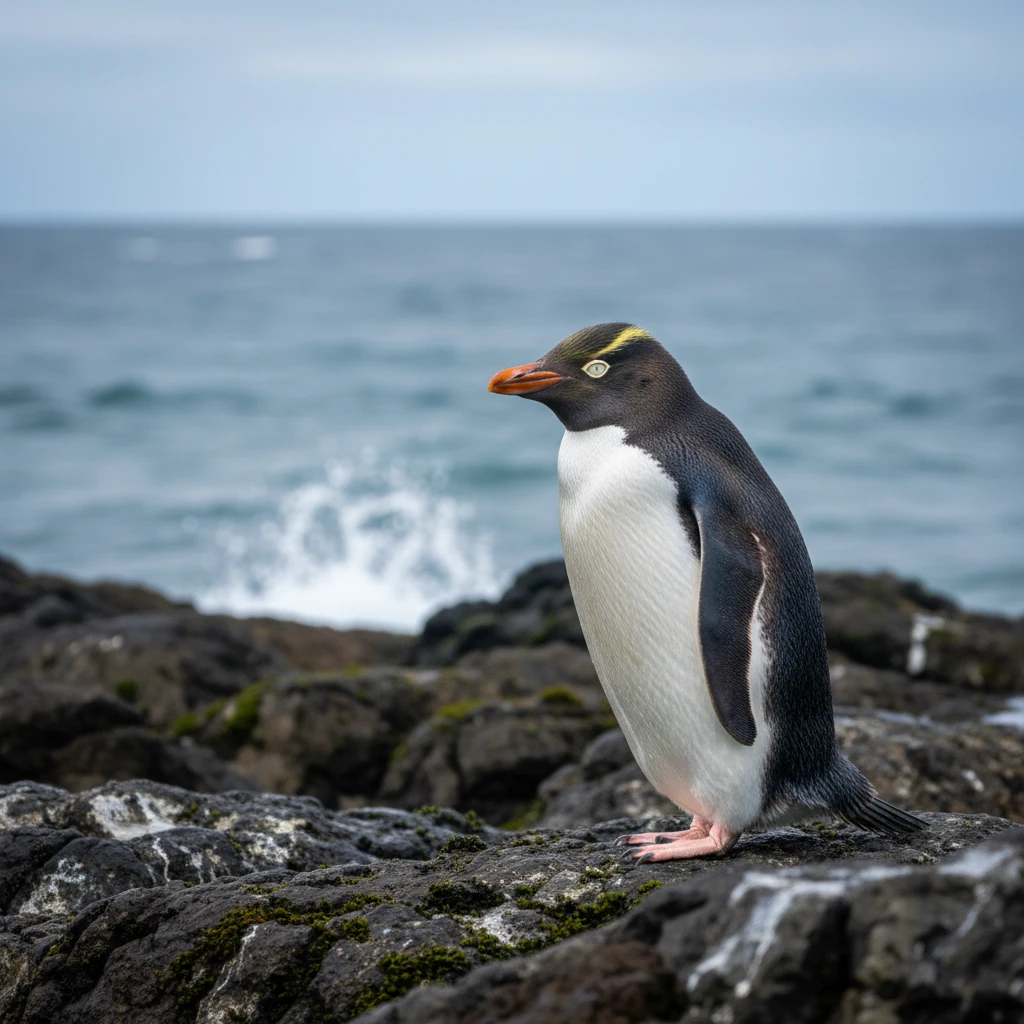
Walk coastal reserves where yellow-eyed penguins nest, watch albatross soar above the cliffs
Hand-picked by our editors — only the best 4 wildlife experiences from 19 reviewed.
Verified partners for Otago Peninsula Wildlife tours, free cancellation where available, and instant confirmation on every booking.
4 hr
Explore remote headlands and pristine beaches to observe fur seals, yellow-eyed penguins, and sea lions
Reserve
1 hr 30 min
Walk through a coastal reserve to spot rare yellow-eyed penguins, fur seals, and sea lions in their natural habitat
Reserve
6 hr
Discover Dunedin's landmarks and venture to a private sanctuary for critically endangered Yellow-eyed Penguins
ReservePrices from verified partners. Availability updates in real time at checkout. Free cancellation policies apply where shown.
The landmarks, rooms, and views travelers on Otago Peninsula Wildlife tours remember — all visible on a single visit.
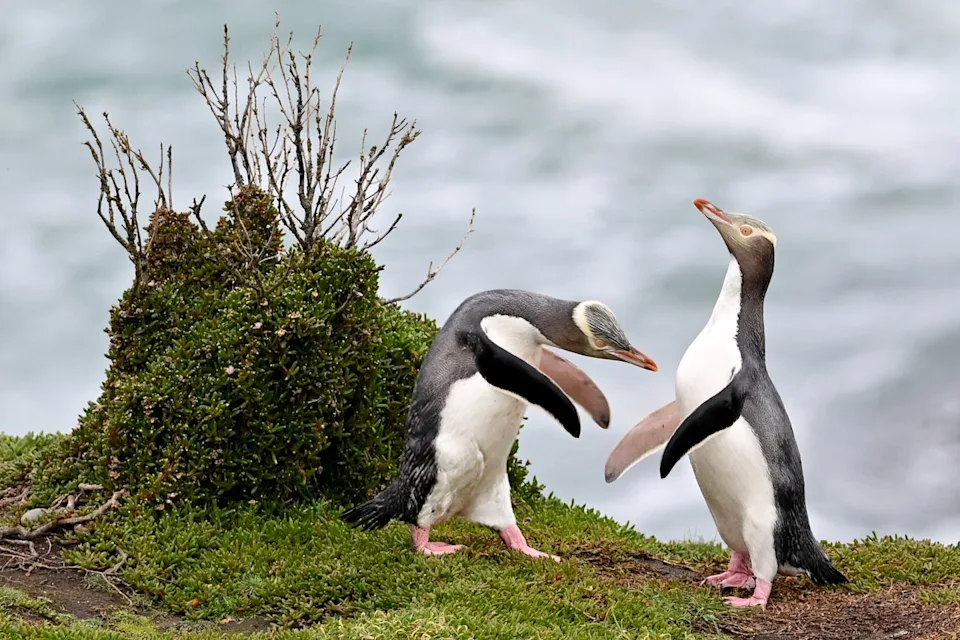
Quietly observe yellow-eyed penguins in their natural environment without disturbing them
Penguin hide photography
Explore the protected coastal pathways managed by the conservation team
Ocean coastal trail
Learn about the specific nesting habits of endangered species
Wildlife habitat photography
Every Otago Peninsula Wildlife tour side-by-side — duration, what's included, how you redeem.
| Experience | Duration | Rating | Transfers | Guide | Small group | Free cancel. | Price | |
|---|---|---|---|---|---|---|---|---|
|
Standard Entry Most popular
Otago Peninsula Coastal Wildlife Safari
|
4 hr | ★ 4.9 | — | ✓ | ✓ | ✓ | €119 | Book → |
|
Standard Entry
Otago Peninsula Wildlife & Penguin Encounter
|
1 hr 30 min | ★ 4.6 | — | ✓ | — | ✓ | €38 | Book → |
|
Guided Experience
Dunedin City & Otago Peninsula Penguin Reserve Experience
|
6 hr | ★ 4.8 | ✓ | ✓ | ✓ | ✓ | €173 | Book → |
All prices from verified partners. Availability and exact terms confirmed at checkout.
They complement each other; visitors seeking intensive yellow-eyed penguin rehabilitation prefer this land-based reserve, while those prioritizing diverse marine species often select the cruise. An otago peninsula wildlife tour provides a focused, educational encounter with endangered birds, whereas harbor-based alternatives offer broader pelagic exploration.
| Feature | Top pick Penguin Place | Monarch Cruises |
|---|---|---|
Primary Focus |
Yellow-eyed penguin conservation | Marine life and coastal scenery |
Terrain Covered |
Private coastal reserve | Otago Harbour and ocean cliffs |
Viewing Perspective |
Ground-level hide observations | From boat deck |
Interaction Level |
Passive viewing from blinds | Observing animals in natural habitat |
Conservation Emphasis |
Active rehabilitation and habitat restoration | General marine ecosystem awareness |
Guided Depth |
Scientifically intensive commentary | Narrated wildlife identification |
| See tickets → |
Verdict: Choosing between these otago peninsula wildlife tour tours depends on whether you prefer targeted land-based conservation education or expansive harbor views via otago peninsula wildlife tour tickets.
Choose your ticket, select your date, and reserve in under two minutes. Secure checkout handled by our verified partner.
Instant confirmation by email, with a mobile voucher you can save offline. No printing, no queuing at a collection desk.
Arrive at the entrance, show your voucher on your phone, and walk in. Most tickets include priority or skip-the-line access.
Practical details for Otago Peninsula Wildlife tickets straight from our verified partners — hours, access, rules, and how to get there.
45 Pakihau Road
Main building entrance
Open in Google MapsFollow Highcliff Road from Dunedin for coastal scenery.
Available from Dunedin city center.
Wear sturdy, comfortable walking shoes suitable for uneven coastal terrain. Dress in warm layers as wind chill is common on the Otago Peninsula throughout the year.
Only small personal bags are permitted on guided paths to protect sensitive habitats. Large backpacks must be left in vehicles.
Flash photography is strictly prohibited as it disturbs wildlife behavior. Use high-zoom lenses to maintain distance from animals during your otago peninsula wildlife tour.
The reserve features natural, unpaved terrain that can be steep in sections. It is not suitable for wheelchairs or visitors with limited mobility.
Mobile phones are permitted. Keep ringer off inside exhibition spaces.
Children are welcome but must remain quiet and under strict adult supervision at all times. This otago peninsula wildlife tour requires adherence to safety distances from all animals.
Consumption of food and drinks is restricted to designated parking and reception areas. Maintaining a clean environment is critical for wildlife health.
Pets are not allowed, with the exception of service animals with appropriate documentation.
Last entry is typically 1 hour before closing. Check the specific ticket for timing.
Best time to go, insider tips, nearby landmarks, and the cancellation fine print — flip through to skim what matters to you.
How crowds, weather, and events shift across the year.
December to February offers the best chance to see chicks active in the nest. Warmer temperatures allow for more comfortable coastal viewing.
Small details that turn a good visit into a great one.
Bring your own binoculars for a better view of distant birds. The tour distance is kept wide to prevent animal stress.
Check local forecasts before departure as the peninsula is exposed. Coastal winds can be intense even on sunny days.
Wear closed-toe shoes with good grip. The tracks are natural earth and can become slippery after rain.
Follow all guide instructions regarding silence. Sudden movements or noise can scare penguins back into the sea.
Pre-book your otago peninsula wildlife tour tickets online to ensure availability. The reserve limits group sizes for environmental preservation.
Non-bookable sights within a short walk — free to visit, easy to pair.
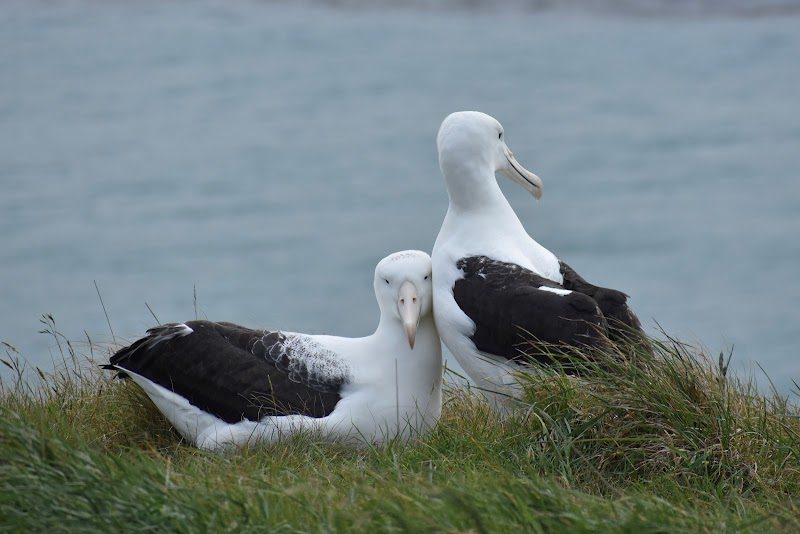
World's only mainland breeding colony of albatross.
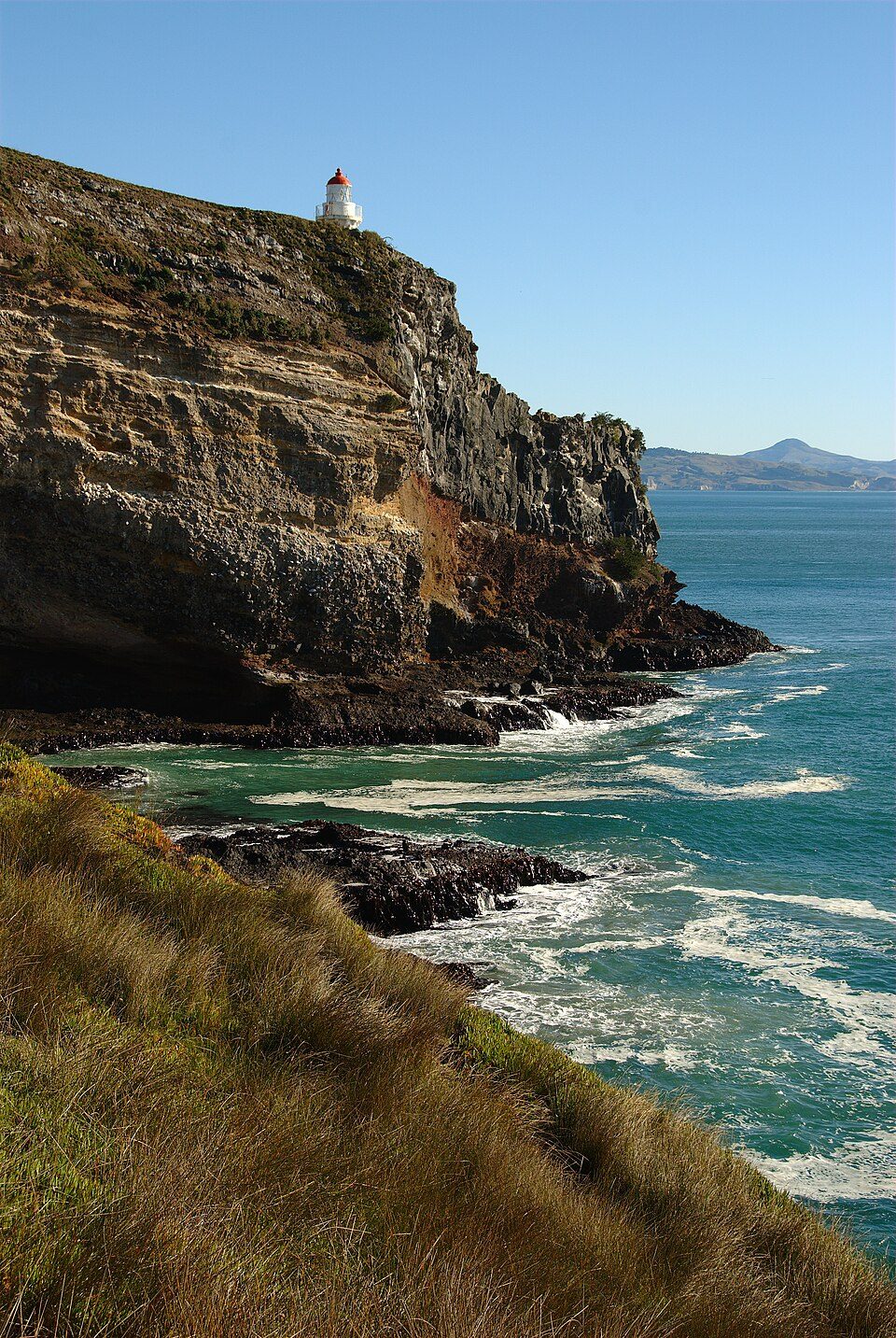
Historic lighthouse location with panoramic ocean views.
Flexible, no hidden fees.
Cancellations must be made at least 24 hours in advance to receive a refund. The 79 NZD guided tour fee is non-refundable for no-shows.
Hand-picked options within walking distance — pick a district for vibe, or a specific hotel for convenience.
Quiet coastal township offering diverse guesthouse options.
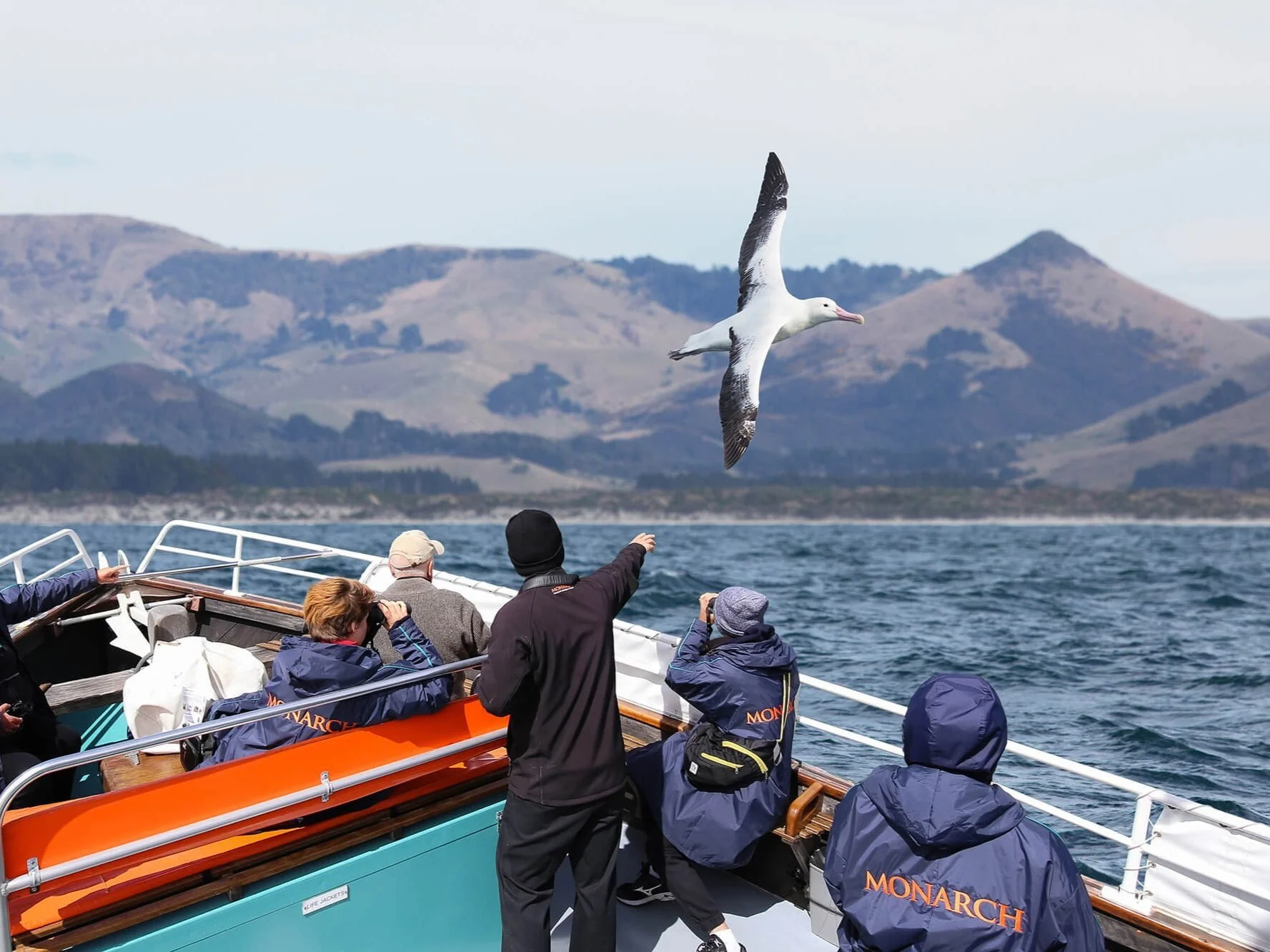
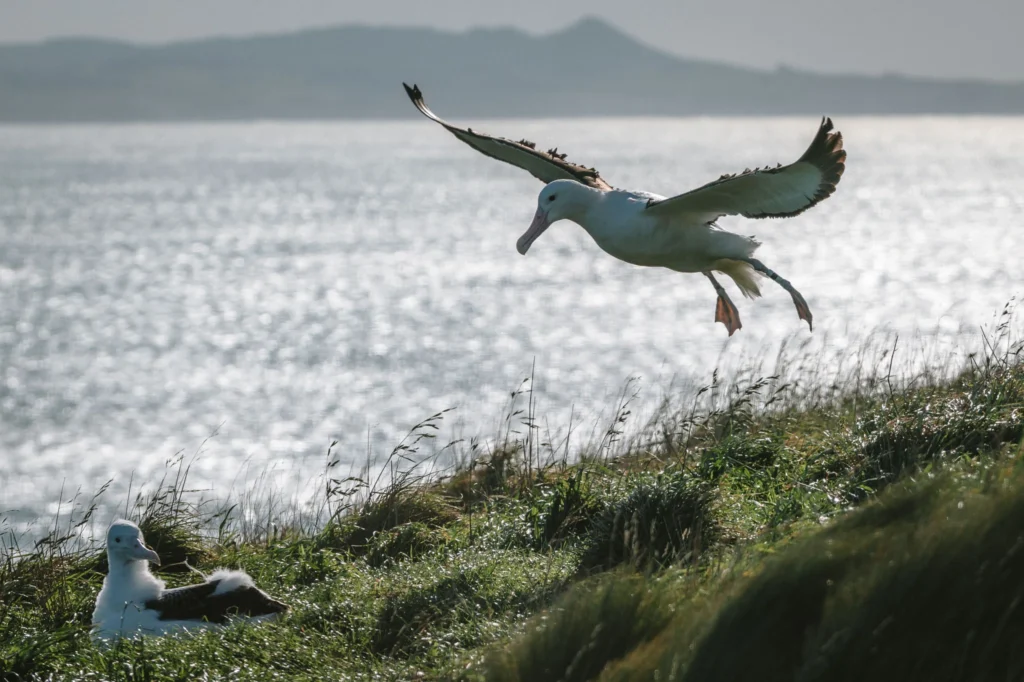
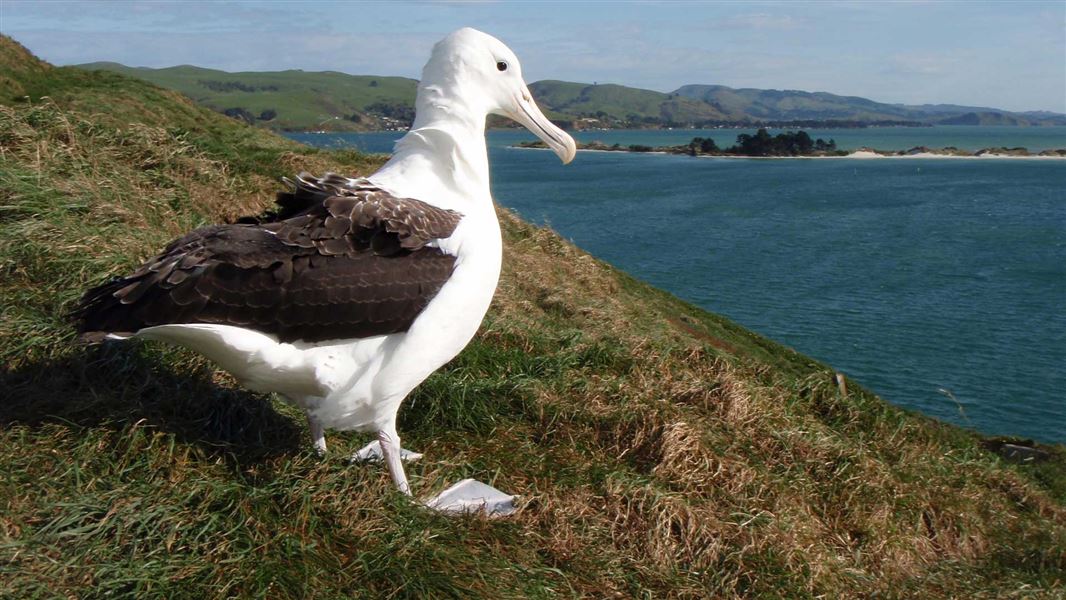
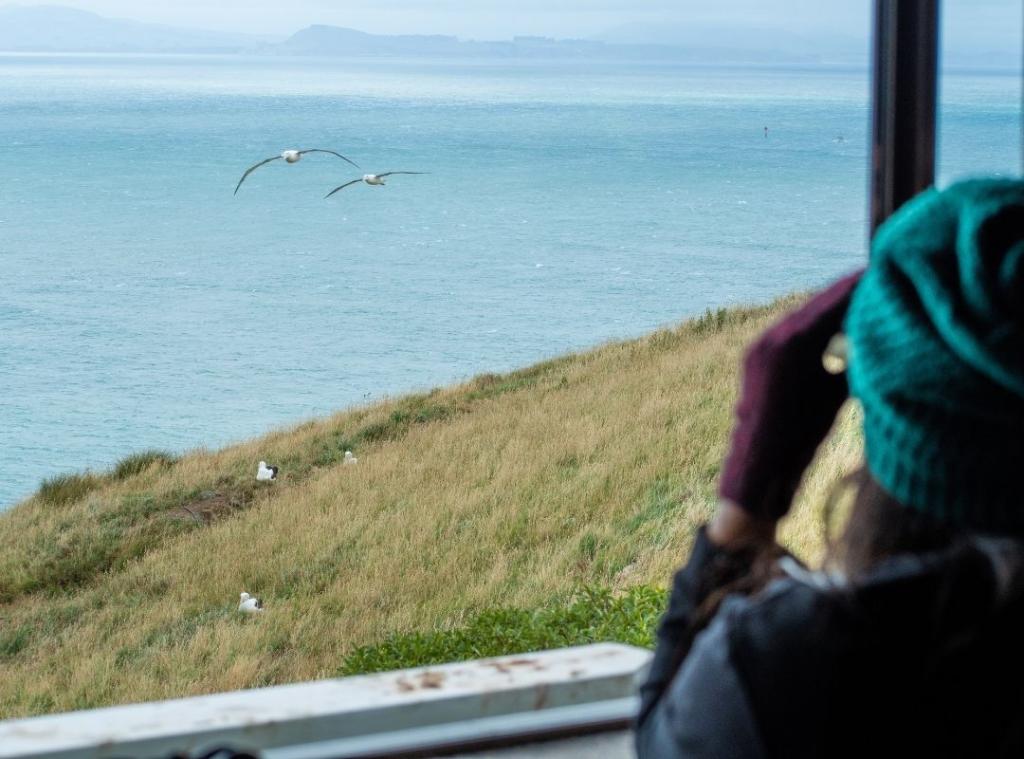
The Otago Peninsula shelters the world's only mainland breeding colony of northern royal albatross, a bird whose three-metre wingspan requires constant wind and open sea.
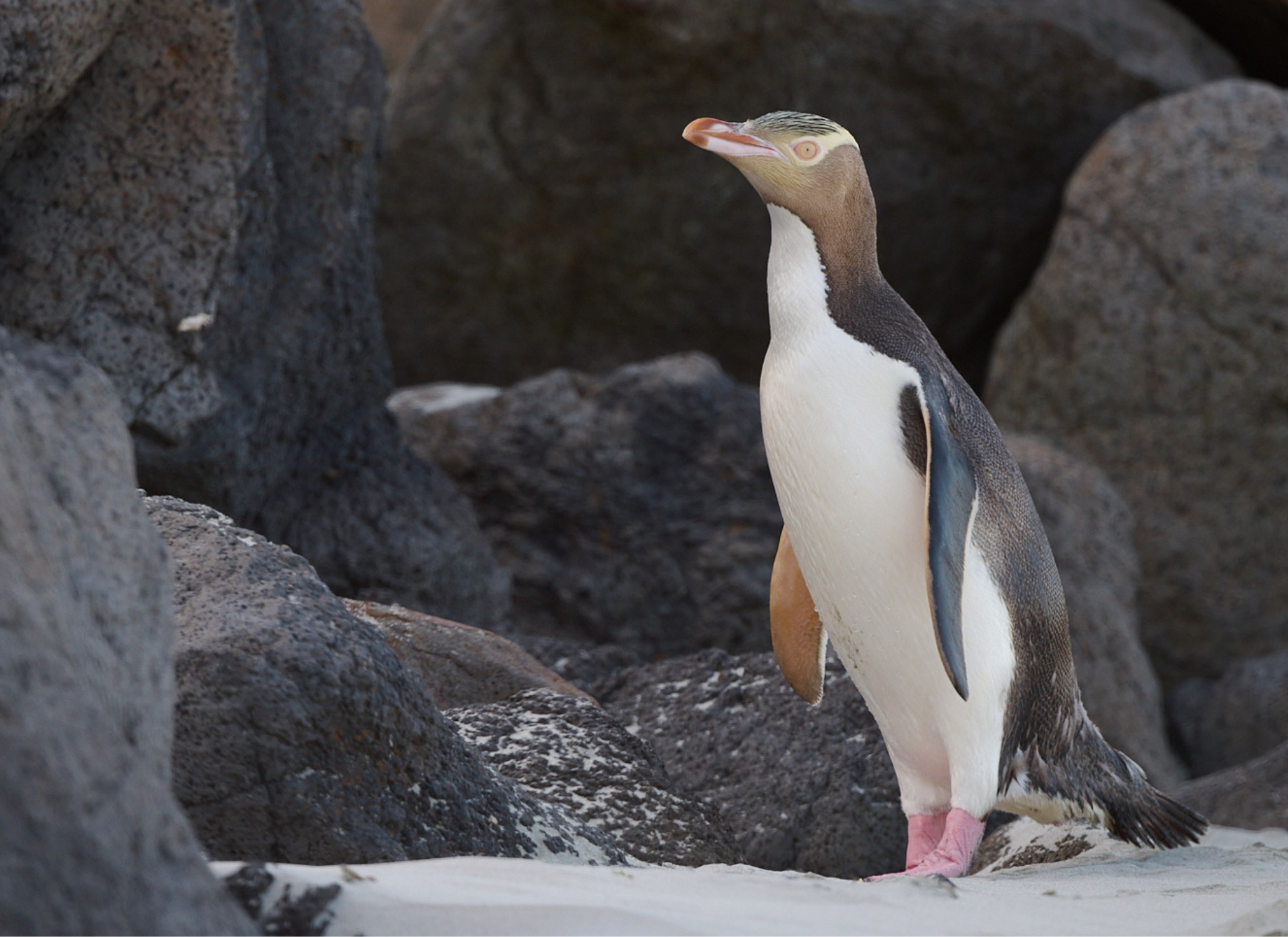
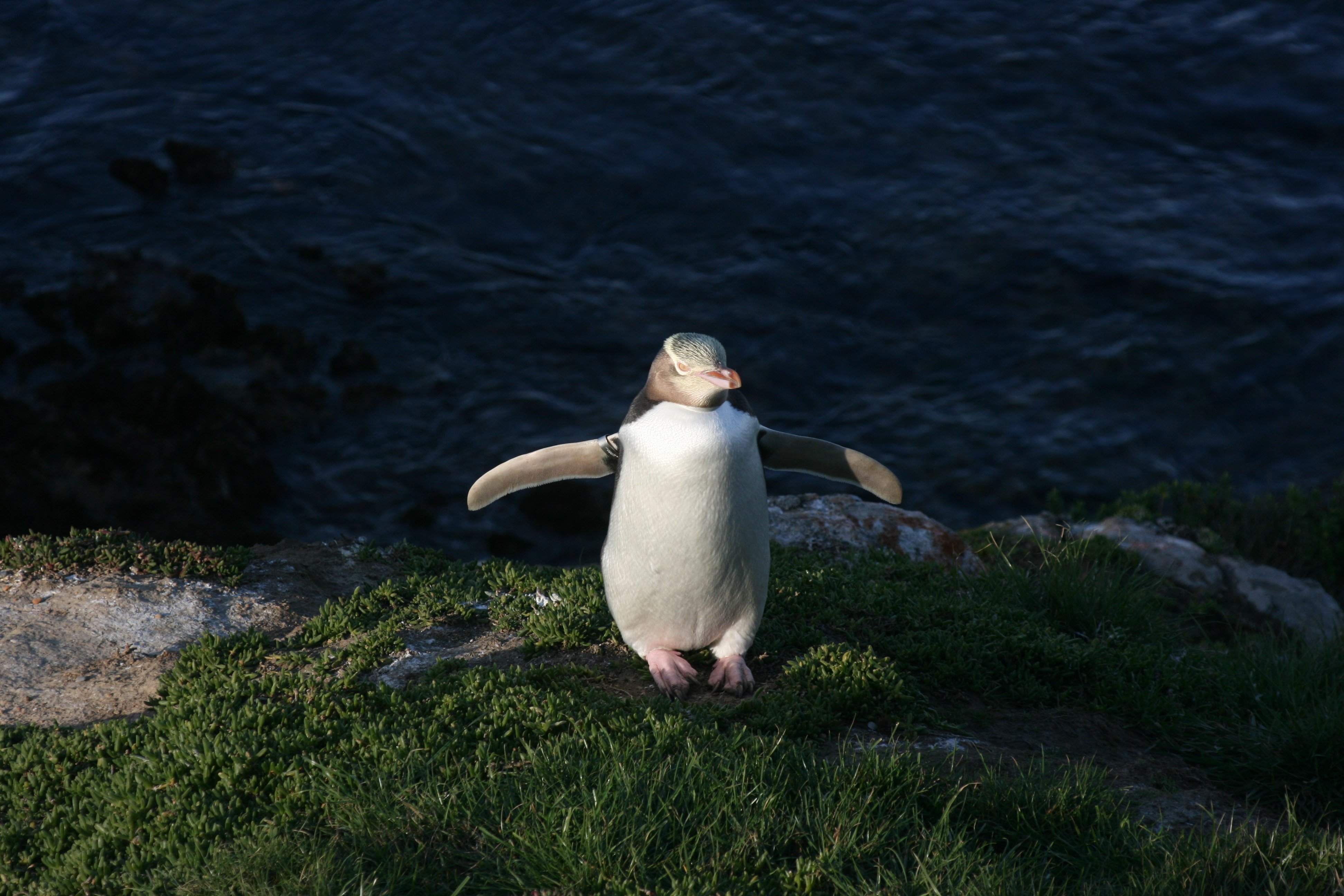
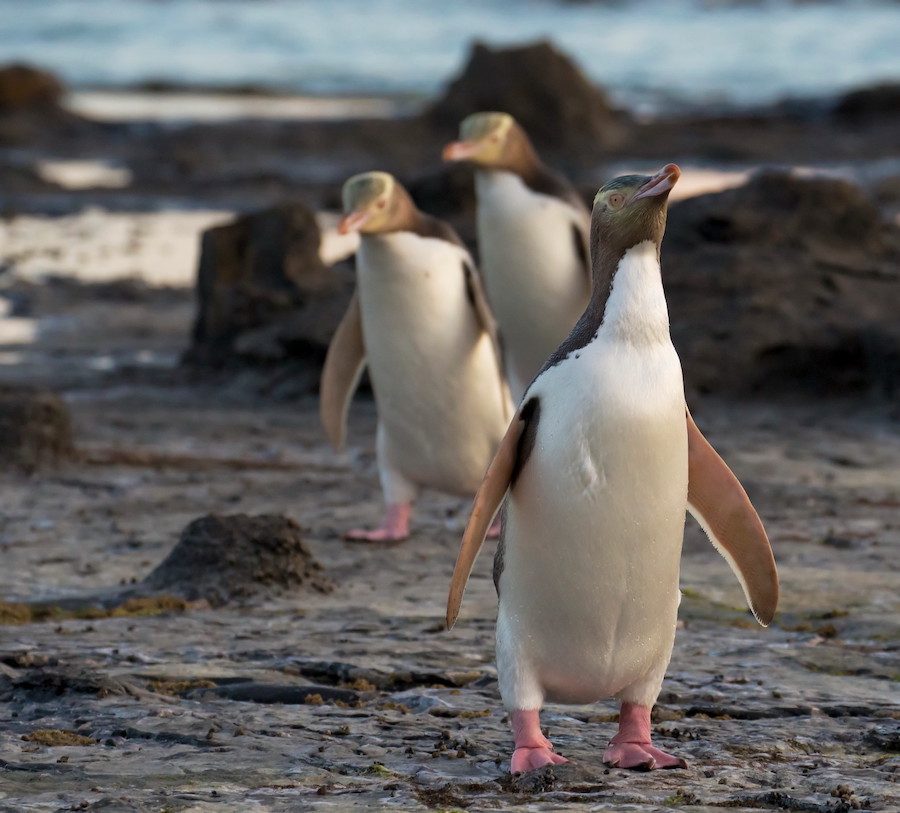
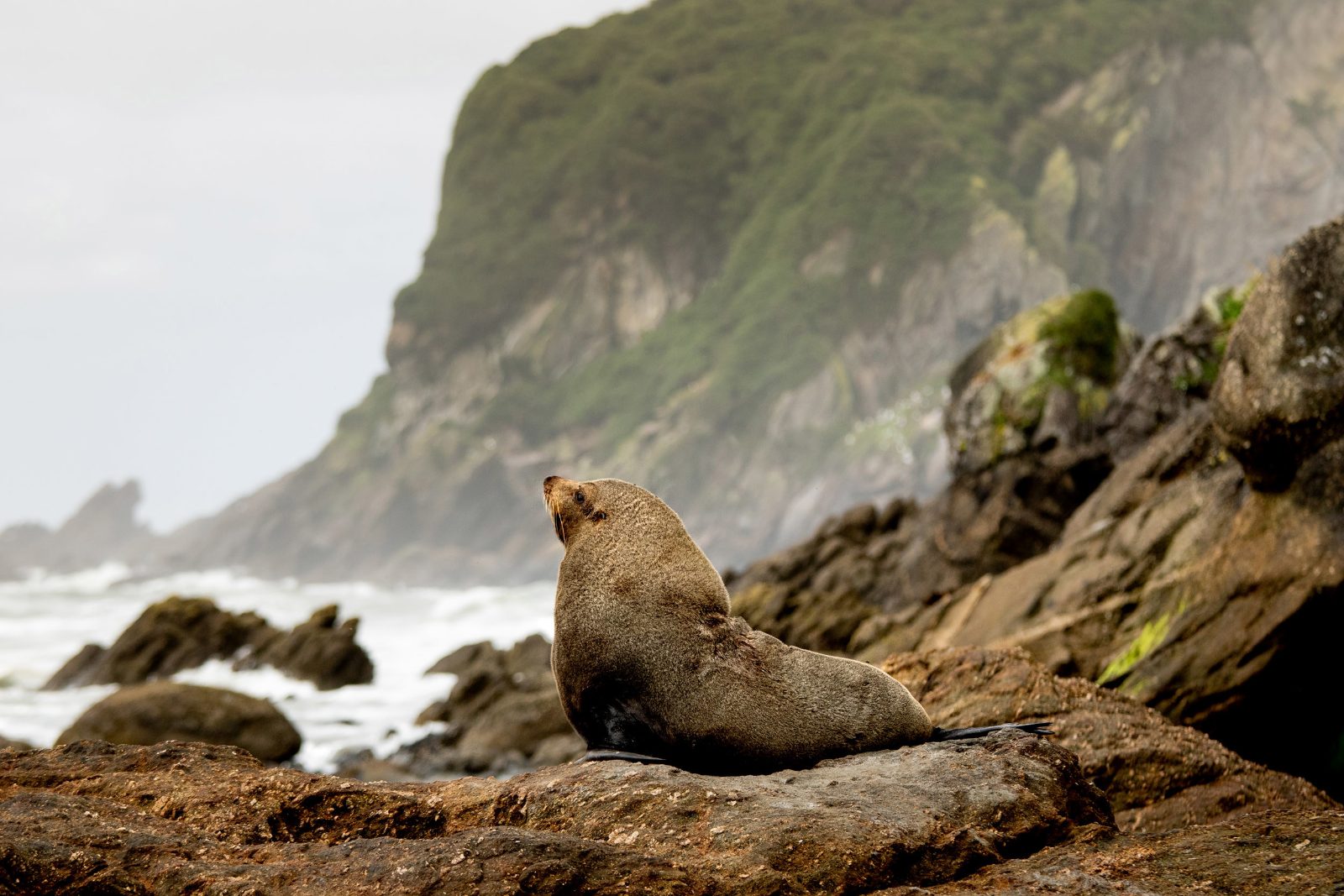
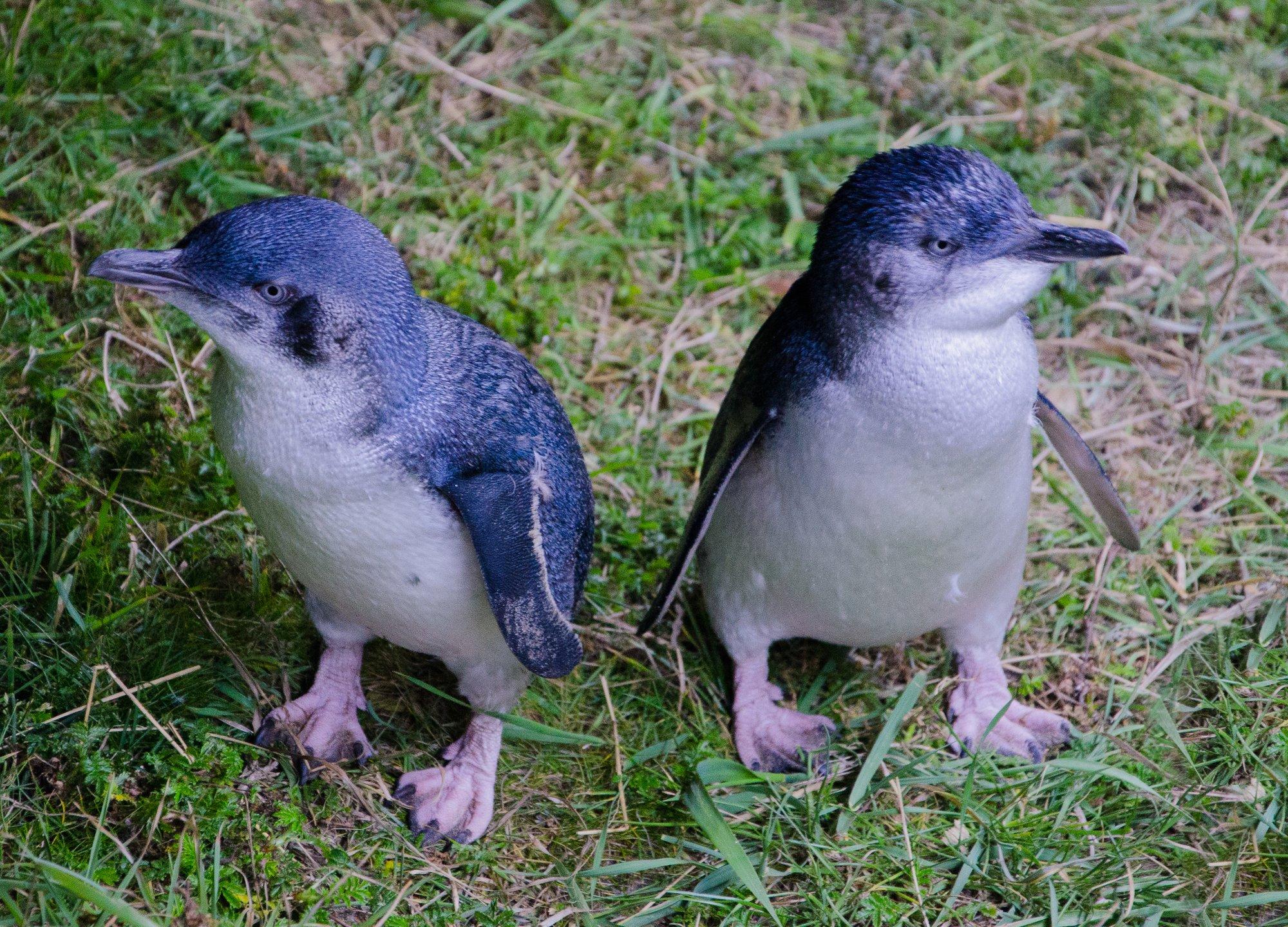
Established as a conservation reserve in 1985, the peninsula's coastal grasslands and rocky shorelines now protect one of the planet's rarest penguin species: the yellow-eyed hoiho, with fewer than 4,000 individuals remaining. Private landholders and the Department of Conservation have collaborated for four decades to fence predator-free zones, restore native vegetation, and limit human disturbance during nesting seasons. The result is a 64-kilometre promontory where fur seals haul out on basalt shelves, little blue penguins burrow into clay banks, and Hooker's sea lions rest in tussock grass a kilometre from the tide.
Otago Peninsula wildlife tour operators work within strict permit frameworks: groups are capped at fifteen, viewing hides are positioned to minimise stress, and access roads traverse working sheep stations that double as wildlife corridors. The dunedin otago peninsula clearwater wildlife tour route follows Harington Point Road through farmland that has remained largely unaltered since Scottish settlers arrived in the 1840s, offering unobstructed views of Otago Harbour's drowned valley and the Silverpeaks Range beyond. Afternoon departures align with penguin foraging patterns; hoiho return from the sea between 16:00 and 18:00, waddling up gravel beaches to hillside nests hidden beneath flax and native shrubs. The monarch otago peninsula wildlife tour variant includes boat access to offshore rock stacks where fur seals breed and shags nest in tiered colonies, while the otago peninsula wildlife tour & cruise option combines coastal walking with a guided harbour crossing.
The peninsula's ecological significance extends beyond charismatic megafauna. Its windswept headlands host remnant populations of Hebe, Coprosma, and Olearia species that once dominated the South Island's eastern coast, and the marine reserve offshore protects kelp forests where blue cod and crayfish thrive. Conservation fees collected from tour participants fund stoat trapping, habitat restoration, and penguin nest monitoring—over 200 nest sites are checked weekly during the September-to-March breeding season. The albatross colony at Taiaroa Head, operational since 1938, pioneered methods for habituating wild birds to human observation; similar techniques now guide otago peninsula things to do across the reserve network.
Visitors arriving during otago peninsula weather windows—clear mornings after southerly storms—often witness the full spectrum of pelagic birdlife: sooty shearwaters wheeling in flocks of thousands, white-capped mollymawks riding updrafts along the cliffs, and the occasional wandering albatross drifting north from subantarctic islands. The landscape itself is a lesson in glacial geomorphology: Otago Harbour occupies a drowned river valley carved 20,000 years ago, and the peninsula's ridgeline marks the eroded remnant of the Dunedin Volcanic Complex, active thirteen million years before present.

"The peninsula's coastal grasslands now protect one of the planet's rarest penguin species: the yellow-eyed hoiho, with fewer than 4,000 individuals remaining."
A step-by-step walkthrough of Otago Peninsula Wildlife tickets — what you'll see, how long each stage takes, and the details that matter.
You meet your guide at Harington Point mid-morning, boarding a twelve-seat van that climbs narrow farm tracks above Otago Harbour. The first stop overlooks a fur seal colony: thirty animals sprawled across wave-cut platforms, their barks audible over the wind.
Your guide points out pups born in December, now practising dives in the shallows. You continue to a viewing hide concealed in coastal scrub, where binoculars reveal a yellow-eyed penguin preening on a distant rock—its pale iris unmistakable even at 80 metres.
The afternoon centres on a predator-fenced reserve accessible only with permit. You walk a gravel path through regenerating flax and tussock, pausing at a weathered hide that frames a steep beach. Between 16:30 and 17:00, two hoiho emerge from the surf, shaking water from blue-grey plumage before ascending the slope in cautious, zigzagging advances. They pause every few metres, scanning for threats, before disappearing into nest burrows screened by native shrubs. Your guide explains the species' nesting behaviour and the reserve's stoat-trapping grid—over 150 traps checked weekly.
The return route crosses private farmland where Hooker's sea lions rest in open paddocks, and you stop at Taiaroa Head to watch northern royal albatross ride thermal currents above the cliffs. By 18:00, you're back at the departure point, carrying a species checklist signed by your guide and a dozen photographs of penguins framed against basalt and kelp.
The reserve is open daily from 10:15–18:15. Please ensure you arrive before the 16:00 cut-off for the best wildlife viewing opportunities.
Yes, the 79 NZD fee is mandatory per adult to support essential conservation work and reserve access.
Afternoon slots are generally considered best for spotting penguins returning from the sea. We recommend booking your otago peninsula wildlife tour in advance.
Yes, children are welcome but must be supervised. They must follow all guide instructions to protect the wildlife.
Photography is allowed, but flash is strictly prohibited. Your otago peninsula wildlife tour guide will advise on when it is safe to photograph animals.
Yes, parking is available near the entrance at 45 Pakihau Road. Space can be limited during peak holiday periods.
Wear comfortable, warm layers and sturdy shoes. The weather at the Otago Peninsula can change rapidly throughout the day.
A standard visit typically lasts around 90 minutes. This includes time for the guided walk and observation.
No, please eat before you arrive or plan to visit local cafes in nearby Portobello. Food is not permitted on the wildlife trails.